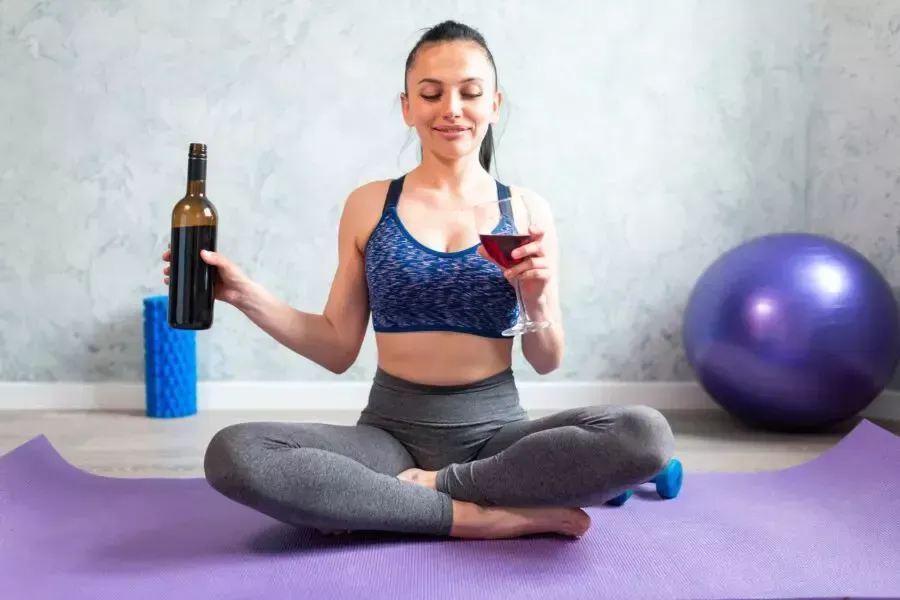
The Do’s and Don’ts of Alcohol When You’re Trying to Lose Weight
Let’s be honest. Alcohol is one of those topics that gets dramatic fast. One camp says you can never touch it if you want results. The other pretends that frothy cocktails somehow do not count.
The truth lives in the middle.
One drink is not going to erase your progress. Regular drinking without intention absolutely can slow things down. And most people are confused because alcohol impacts weight loss in ways that are not obvious.
Here is how to navigate alcohol in a way that supports your goals without sucking the joy out of your life.
Why Alcohol Can Make Weight Loss Trickier
Alcohol affects your body differently than food. Liquid calories do not register the same way solid food does, so your brain does not compensate by eating less later. Translation: the calories add on top of your meals instead of replacing anything.
Alcohol also increases appetite and lowers inhibition. That combination is why fries, wings, and late-night snacks suddenly sound like a great idea after a drink.
On top of that, alcohol provides calories without meaningful nutrients. No fiber. No protein. No vitamins your body can really use for recovery or metabolism.
It can also temporarily interfere with digestion and nutrient absorption, which matters if you are eating high-quality food and actually want your body to use it well.
This does not mean alcohol is evil. It just means it needs to be handled with intention.
The Do’s and Don’ts of Drinking While Dieting
1. Do keep it moderate
Moderation matters more than perfection. For most people, that means one drink, maybe two on occasion. Not every night, not every event.
Women generally feel the effects faster and metabolize alcohol more slowly, so smaller amounts go a long way.
2. Do know what a real drink looks like
A standard drink is smaller than most restaurant pours.
One 12-ounce beer
One 5-ounce glass of wine
One 1.5-ounce shot of liquor
Cocktails often contain more than one serving, especially when poured heavy.
3. Don’t default to sugary mixed drinks
Sweet cocktails add up fast. Added sugar, juices, creamers, syrups, and oversized portions turn a drink into a full meal’s worth of calories without the fullness.
If you drink, simpler is better. Wine, light beer, or spirits with soda water and citrus tend to be easier to work with.
4. Do hydrate like it is your job
Alcohol is dehydrating. Dehydration makes cravings louder, energy lower, and hangovers worse.
Drink water before you start, between drinks, and after. Ordering drinks on the rocks helps slow you down. Alternating alcohol with water is one of the simplest ways to stay in control.
This is where electrolytes help too. Beneve Electrolytes support hydration and mineral balance, which can make a noticeable difference in how you feel during and after drinking, especially if alcohol is not a regular thing for you.
5. Do keep perspective on health claims
Yes, you will see studies linking moderate alcohol intake with certain health benefits. That does not mean alcohol is a health food.
No one recommends starting to drink for your health. Any potential benefit only applies at very low, moderate intake.
6. Do sip slowly and actually enjoy it
Alcohol is meant to be enjoyed, not inhaled. Slowing down helps you notice how you feel and makes one drink feel like enough.
If drinking is about numbing out, rushing, or escaping stress, that is worth paying attention to. That is not a weight loss issue. That is a relationship with alcohol issue.
7. Don’t use alcohol as a sleep aid
Alcohol can make you sleepy, but it disrupts sleep quality, especially REM sleep. Poor sleep impacts hunger hormones, cravings, mood, and weight regulation.
If evening stress is the issue, look at your routine, hydration, magnesium, or calming habits instead. Alcohol fixes nothing long term here.
So Can You Drink and Still Lose Weight
Yes, but not mindlessly.
If alcohol is occasional, intentional, paired with food, hydrated properly, and not used as stress relief, it can fit into a balanced life.
If drinking is frequent, automatic, or tied to emotional regulation, it will likely slow progress no matter how clean everything else is.
You do not need extremes. You need awareness.
One drink does not ruin anything. Patterns are what matter.

